


- Migration Pattern
- COBOL to Java/OpenCOBOL migration
migration-pattern
Migration Pattern
Mainframe Modernization
Legacy systems running on mainframes face numerous challenges – an obsolete technology stack, a shrinking talent pool, high maintenance costs, and limited business agility. Failures or delays in modernization can lead to system outages, compliance risks, and loss of competitive advantage.
SoftRoad has helped many customers migrate their legacy systems on mainframe to open platforms, either on-premises or or in the cloud. Using our proprietary AI-assisted conversion technology, supported by structured analysis, validation, and engineering review, we migrate both legacy code and data to true open systems and relational databases (RDBs) that fully comply with industry standards. The resulting systems are rigoriously tested, highly maintainable, and are generative AI-ready for future maintenance and enhancement.
Success Stories
With our unparalleled AI-assisted modernization technology, supported by structured analysis, validation, and engineering review, we help our clients with their mainframe modernization initiatives, converting COBOL to Java and legacy data to relational database (RDB), delivering a true open system with high quality and low costs, which sets us apart from the competition.
A number of our clients presented their migration projects as case studies jointly with SoftRoad at major IT events in Japan. Cover pages shown below are from slides for those speaking sessions.
Case studies reference specific modernization projects delivered across different timeframes and regions. Brand names are used for illustrative purposes only and do not imply endorsement or ongoing commercial relationships.

Simultaneous migration of 6 systems on 2 IBM mainframes within a short timeframe.
at BSIA Symposium
IBM mainframe Modernization
COBOL to MF COBOL/Java
JCL to Java + XML
Natural to Java
PL/I to MF PL/I
ADABAS to SQL Server

Mazda talks about migration cases
The mainstream of system innovation: AppModernizer
at Gartner Symposium
NEC mainframe Modernization
COBOL to Java
COBOL/S to Java
IDLⅡ to Java
JCL to Kshell
ADBS/RIQS to Oracle
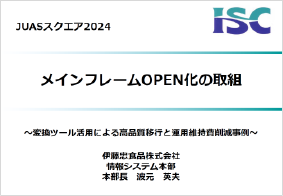
Mainframe Modernization Initiatives
at JUAS Square
Fujitsu mainframe Modernization
MED/PSAM to HTML
COBOL to Java
JCL to Java+xml
AIM/DB to SQL Server
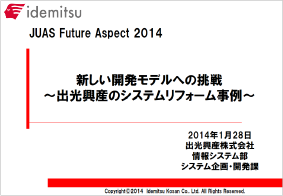
A new development model
Idemitsu Kosan’s AppModernizer case study
at JUAS Future Aspect
Fujitsu mainframe Modernization
YPS/COBOL to NetCOBOL
Natural to Java/NetCOBOL
JCL to Bshell
ADABAS to Oracle
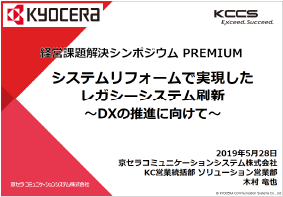
Legacy system renewal achieved through AppModernizer
at Nikkei BP IT Modernization Summit
NEC mainframe & Peripheral Old Open System
COBOL/S to Java
COBOL to MF COBOL
JCL to Kshell
RDB, VSAS to PostgreSQL
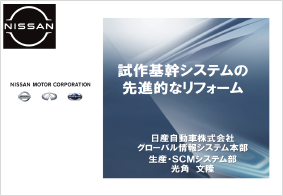
Advanced migration of prototype core systems
at Gartner Application Summit
IBM mainframe Modernization
PL/I to MF PL/I
JCL to MF JCL
ASM to MF PL/I
IMS DB to IMS DB for MF Enterprise Server
Problems with Holding on to the Mainframe
Trapped in a legacy environment with COBOL applications running on mainframe, companies lose their competitiveness.
Sooner or later, these legacy COBOL systems will be modernized into Java or other open systems. Holding on to them results in low usability and high operational costs. It also makes it difficult to adopt new technologies such as generative AI.
COBOL to Java Migration Options and Pitfalls

A package that fits the business needs could be a good choice.
Automated, AI-assisted conversion, supported by structured analysis, validation, and engineering review, delivers a pure Java system at greatly reduced cost, with high quality and short delivery time.

It turns into a monster that replicates nearly all COBOL code issues and legacy data issues using Java. This makes it even harder to maintain than existing systems – and even more difficult to update, as it requires deep knowledge of both COBOL and open systems.
With limited training data and dynamic conversion rules, it is not practical for COBOL to Java migration.
Extremely high cost, long delivery time and high risk.
Slightly improved legacy data structure and readability.
Use special middleware to recreate COBOL on mainframe environment and extend the life of systems.
Problems of Straight Conversion (COBOL to Java)
Straight conversion simply replaces COBOL grammar with Java functions/classes.
The new Java system replicates the behavior of the COBOL system, so it operates in a strange way. In the meantime, the COBOL structure built with Java is highly complex.
Engineers need to understand both COBOL and Java.
Data analysis and modifications using AI are difficult.
Legacy data structure remains.
Data analysis becomes more difficult.
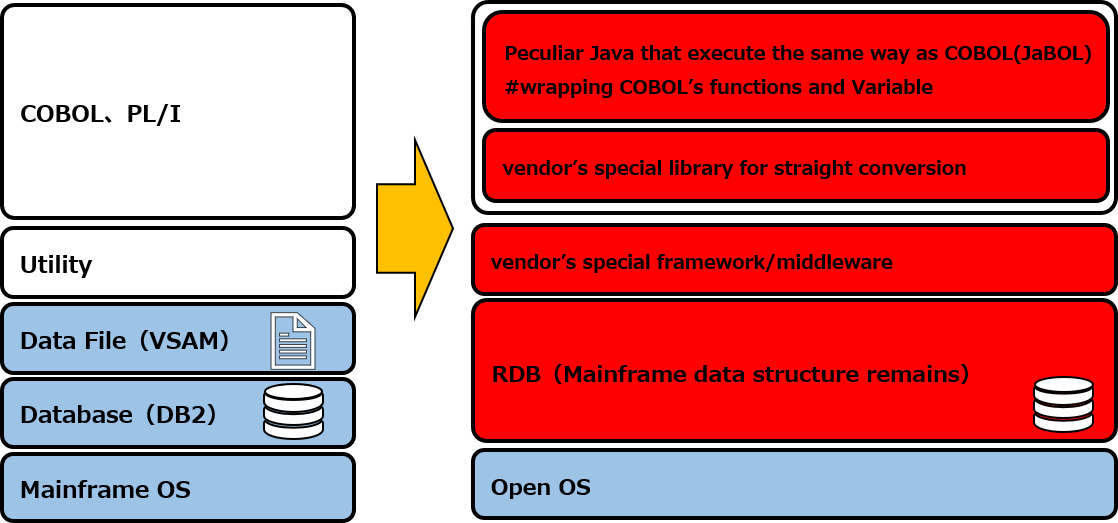
Many problems are left unresolved.
Prone to performance degradation due to COBOL structure.
Dependent on customer-provided test data only. Further testing after integration testing is left with customer.
Features of AppModernizer’s Automated Conversion
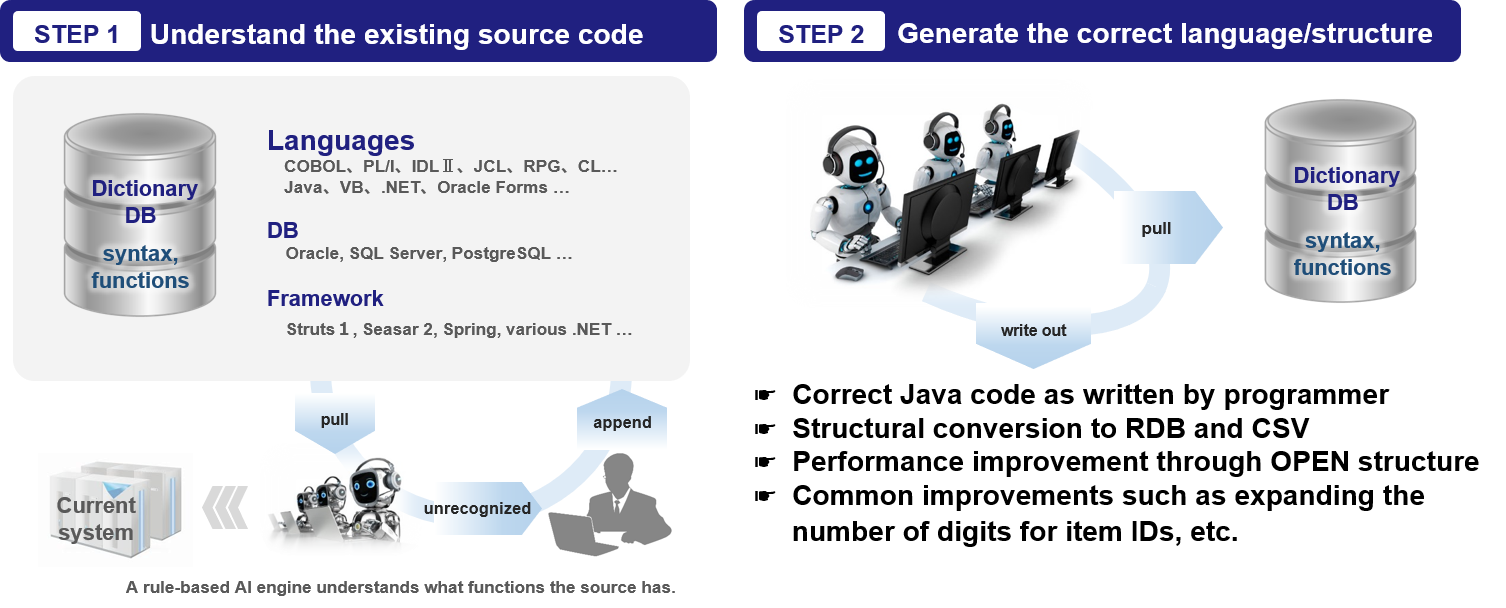
AppModernizer converts COBOL system to standard Java system and also provides the following advantages in the new system.
☛ Standard Java code comparable to those built by human programmers.
☛ Data structure conversion to RDB, CSV.
☛ Performance improvement through Open structure.
☛ Common improvements such as expanding the number ofdigits for item IDs, etc.
With over 25 years of experience and 970 successful migrations, including COBOL to Java modernization, our AI-assisted conversion, supported by structured analysis, validation, and engineering review, sets us apart from the competition, generates pure Java system automatically, and guarantees high quality at a low cost.
Testing Tools Covering All Migration Technical Points
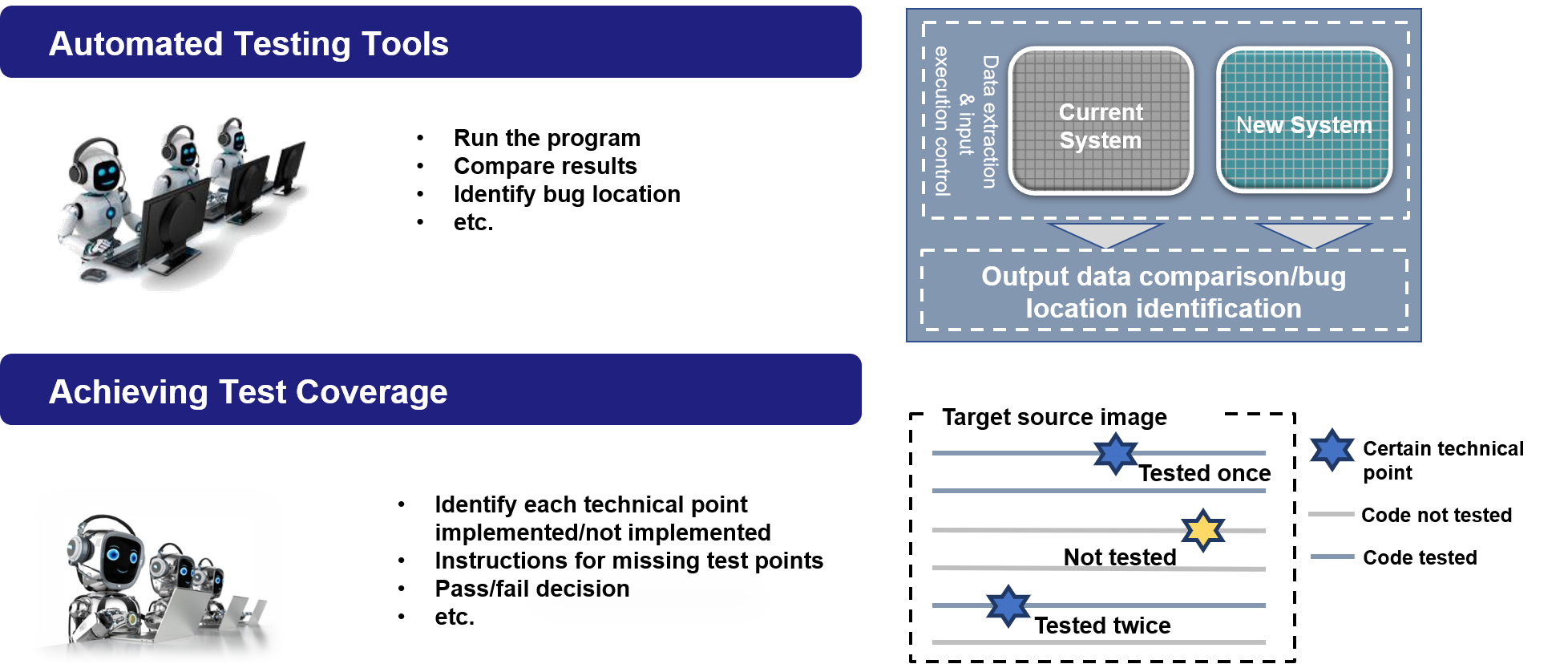
Our AI-assisted testing combined with multi-stage validation and comparison testing sets a new standard in quality assurance by independently identifying all technical points as well as leveraging customer-provided test data, delivering high quality while significantly reducing manual effort.
Comparison Test through Reproducing Actual Processing
Reliable quality is achieved only through testing with a large volume of data from many business days. We complete our tests only when data from 3 consecutive business days has been processed without any bugs.
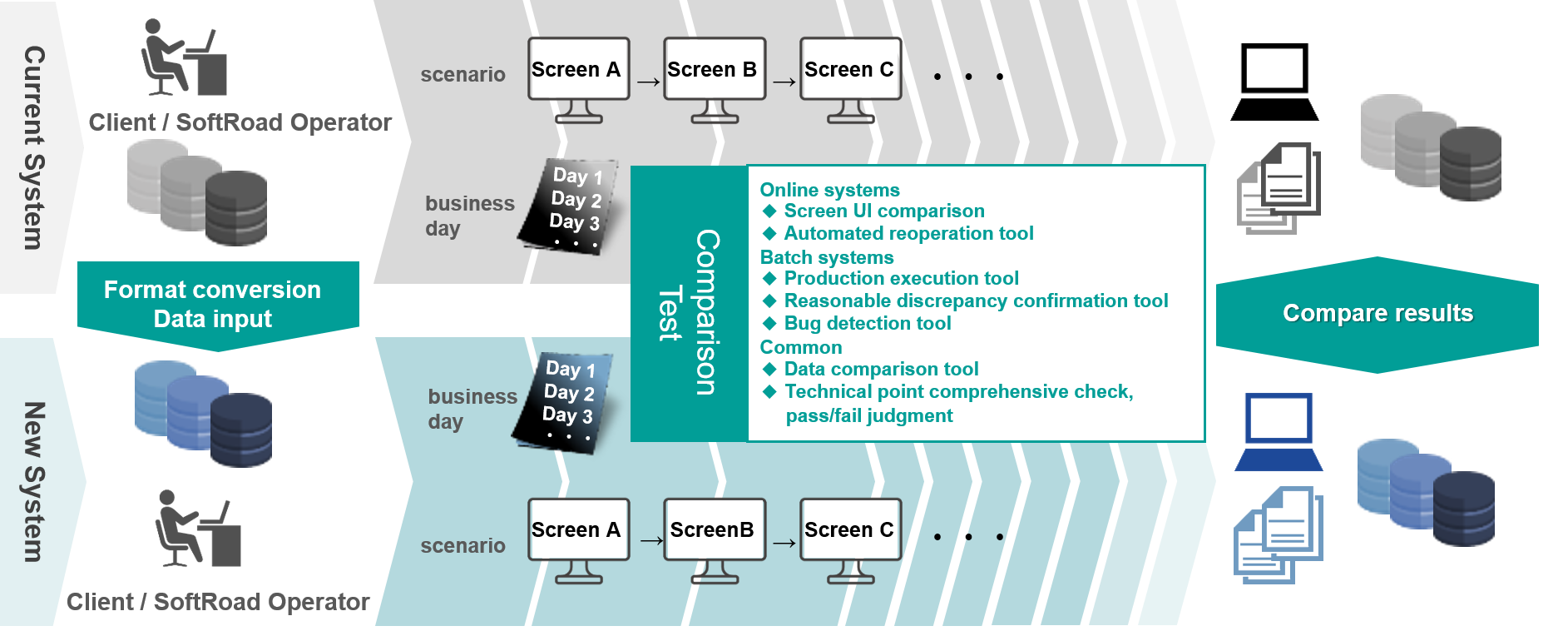
Conducting comprehensive testing of the new Java system against the legacy COBOL system presents significant complexity due to differences in architecture, data structures, and processing logic.
With AppModernizer’s automated testing, clients can have peace of mind without having to worry about complex system tests themselves, allowing clients to focus on their core objectives.
UI migration
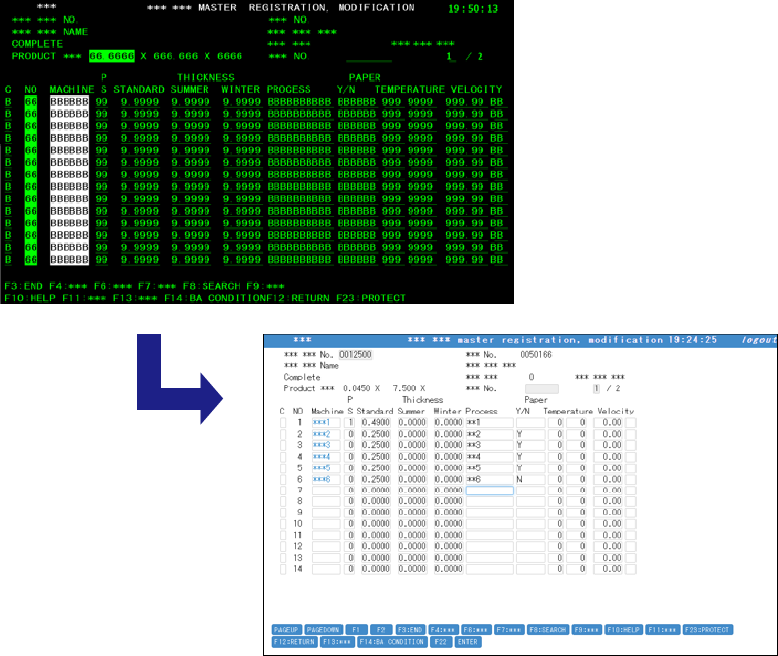
Feature of migrated GUI
・Improved operability with mouse and buttons.
・Customizable according to customer UI standards.
・Response speed similar to that of web systems.
COBOL to OpenCOBOL
When modernizing a legacy COBOL system, if the budget is limited and only a few future modifications are expected, OpenCOBOL (MF COBOL, Visual COBOL, etc.) may be a suitable option.
We leverage our industry-leading AI-assisted technology, supported by structured analysis to gain a deeper understanding of the existing COBOL systems, enabling automated code conversion and comprehensive, rigorous testing. This approach eliminates common migration challenges, including manual conversion of utilities and special cases, performance degradation, and overreliance on customer-provided test data for quality assurance.
Production Data Migration
If there are errors in data migration, business operation issues may arise.
Key implementation items
Over- or under-inclusion
All the data and operation patterns are rigorously checked by SoftRoad’s proprietary tool.
Data migration accuracy
We use the data migration tool to transform data across all test cases and validate the results through comparison.
Especially with the comprehensive testing, which spans a large volume of data, we ensure the accuracy of structural changes, format conversions, etc.
Key tasks in data migration

Data migration was performed successfully across a wide range of enterprise migration projects we have completed.
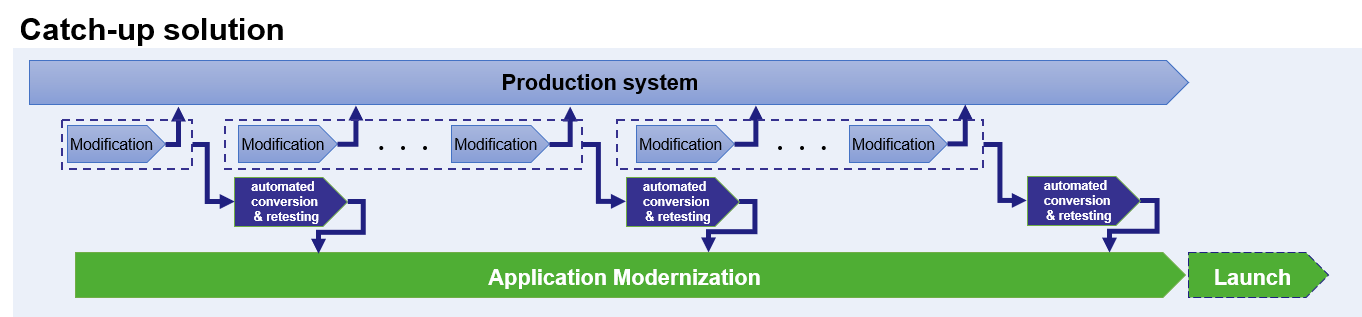
Implement Specification Changes During Migration
Prolonged system freezes during migration can be avoided using our catch-up solution.
AppModernizer can perform automated conversion. If customer provides the latest COBOL source code after each update, we can integrate the changes by quickly converting them into Java code.
Migration cases
Multiple management systems for production, sales, export, after-slaes service, etc., running on mainframes
- Development process
- Inventory, migration design, source code migration – system test, user acceptance test support, go-live
- Migration information
- COBOL to Java
COBOL to MF COBOL
NATURAL to Java
PL/I to MF PL/I
JCL to Java+XML file
ASM to MF COBOL
ADABAS to SQL Server
OS/390 V2 to Windows Server 2012 - Current system scale
- COBOL:2,487KL, JCL:545KL, NATURAL:429KL, PL/I:2,156KL, ASM:35KL, Form:781, Screen:1,572
- Development period
- 20 months(* Migration of each system was carried out in about one year.)
Manufacturing system
- Development process
- Inventory, migration design, specification documentation, UI design – migration test, system test & user acceptance test support
- Migration information
- COBOL to Java
PL/I to Java
JCL to Shell
VSAM to Oracle
host to Linux - Current system scale
- COBOL:141.5KL, PL/I:37.2KL, JCL:44.8KL
- Development period
- 13 months
New core accounting system
- Development process
- Inventory, migration design, source code migration – migration test, functional modification, system test, user acceptance test support, go-live
- Migration information
- MED, PSAM to HTML5.0
COBOL to Java11
ASM, Utility to Java11
JCL, Macro, CLIST to Java11 & XML file
File(PS, DAM, PO) to Linux standard file
VSAM file to SQL Server 2019
XSP to Red Hat Enterprise Linux 8.4(AWS) - Current system scale
- MED, MAP:11.9KL, COBOL:1,934.2KL, JCL:751.3KL, ASM:3.8KL, CLIST:1.7KL, COPY:41.7KL, Utility:50, Macro:4KL
- Development period
- 30 months
Aggregation processing system
- Development process
- Inventory, migration design, source code migration – migration test, system test & user acceptance test support, go-live support
- Migration information
- IDLⅡ, COBOL, COBOLS, HPL to Java
JCL to Java & XML file
ADBS/RIQS to SQL Server 2016
ACOS4 to Windows Server 2016 - Current system scale
- IDLⅡ:775.9KL, COBOL:386.8KL, COBOLS:49KL, HPL:9.8KL, JCL:327.3KL
- Development period
- 36 months
Residential rental management system
- Development process
- Inventory, migration design, source code migration – migration test, system test & user acceptance test support
- Migration information
- YPS COBOL to Java
ASM to Java
NDB & RDB & VSAM to Oracle 12c
Fujitsu host to RHEL6 - Current system scale
- COBOL:520KL, ASM:0.9KL, JCL:178.5KL
- Development period
- 11 months
Cost management system
- Development process
- Inventory, migration design, specification documentation, source code migration – migration test, system test & user acceptance test support
- Migration information
- COBOL, COBOLS, COBOLX, IDLⅡ, RPG, Macro to Java
JCL to KShell
ADBS to Oracle
VSAS/RIQS to Oracle
ACOS4 to Linux - Current system scale
- COBOL:104.3KL, COBOLS:124.5KL, COBOLX:7.7KL, DATASSF:5.0KL, IDLⅡ:391.1KL, RPG:1.4KL, JCL:431.5KL, Macro:10KL
- Development period
- 20 months (* POC included)
CONTACT
For more details about system migration,
feel free to reach out to us.